Blogs
Emma Thompson
Senior First Aid Instructor
03 Feb 26
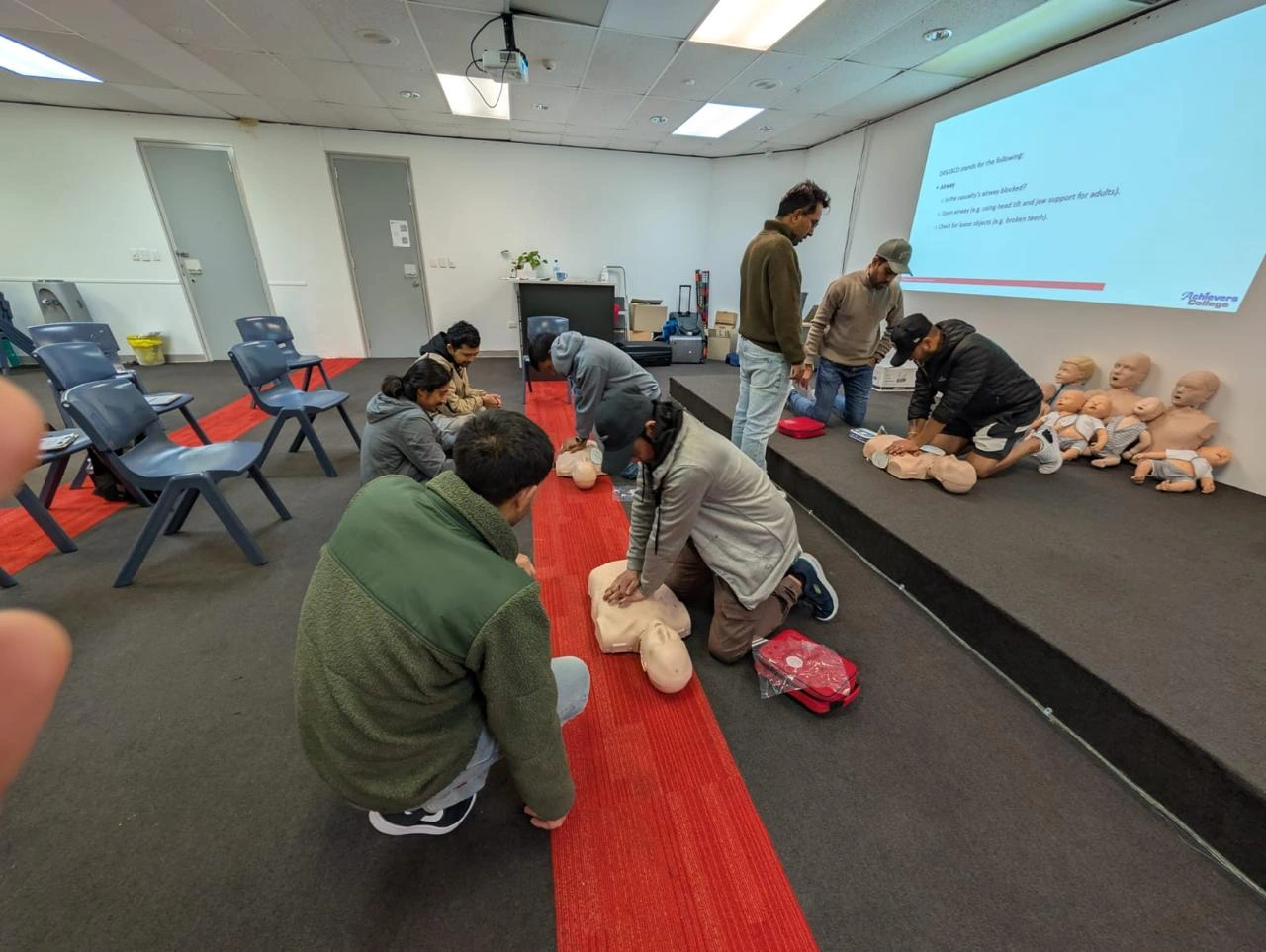
First Aid and CPR aren't just for doctors or paramedics. They're essential skills for everyday people in workplaces, schools, homes, and communities. And in many industries across South Australia, they're legally required.
 Construction — workers face falls, equipment injuries, and heat stress.Healthcare & Aged Care — mandatory for nurses, carers, disability support staff.Hospitality & Retail — cuts, burns, choking, and public incidents are common.Warehousing & Logistics — heavy lifting, machinery, and slips.A toddler choking on food.A child with a severe asthma attack.Burns in the kitchen.Allergic reactions to peanuts or seafood.Manual Handling + First Aid is often bundled for healthcare compliance.Carers frequently use CPR, choking response, and fall management skills.Choking.Allergic reactions (anaphylaxis).Asthma attacks.Playground injuries.
Ready to get certified?
📅 Ready to get certified? Book your First Aid & CPR course in Adelaide today.👥 Workplaces: Request onsite training for your Adelaide team.Ready to book?
📅 Ready to book? See upcoming First Aid & CPR sessions in Adelaide.👥 Employers: Book onsite group training for your Adelaide workplace today.Get certified in First Aid & CPR with Adelaide's leading provider
 Central Adelaide locations
 Daily sessions available
 Small class sizes (max 12)
 4.9/5 rating (250+ reviews)
Next session: Tomorrow 9:00 AM
3 spots remaining
Join thousands of Adelaide residents who've gained the confidence to act in emergencies. Our next session starts tomorrow with only 3 spots remaining.
Book Your Spot
29 Sept 26
Need Manual Handling Training in Australia? Discover WHS requirements, who needs training, refresher guidance, and practical tips for support workers.
27 Sept 26
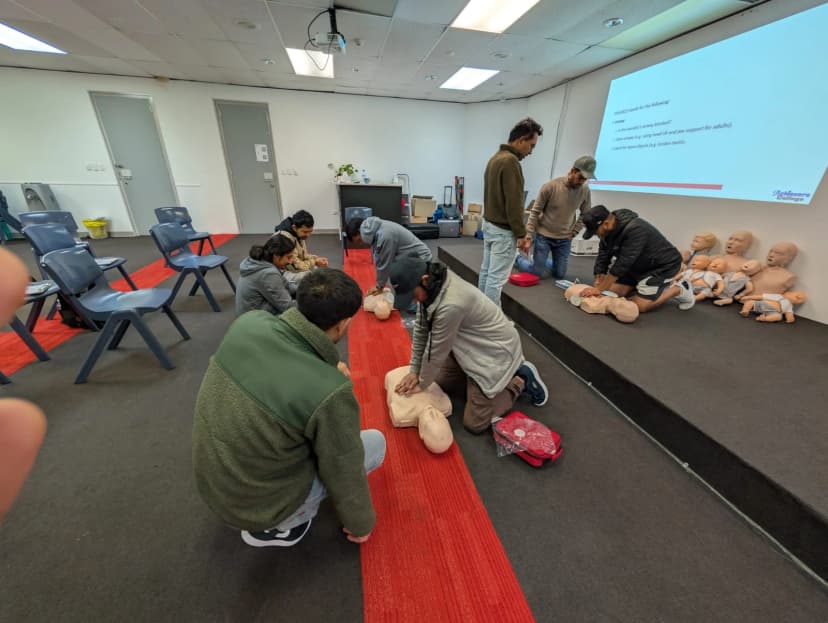
Do NDIS support workers need first aid? Learn provider requirements, CPR renewal, HLTAID011 and how NDIS training compares with aged care.
01 Sept 26
Learn essential seizure first aid for support workers, including emergency steps, seizure safety and when to seek help across Australia.