

Blogs
Achievers College
Training Team
27 Jul 26
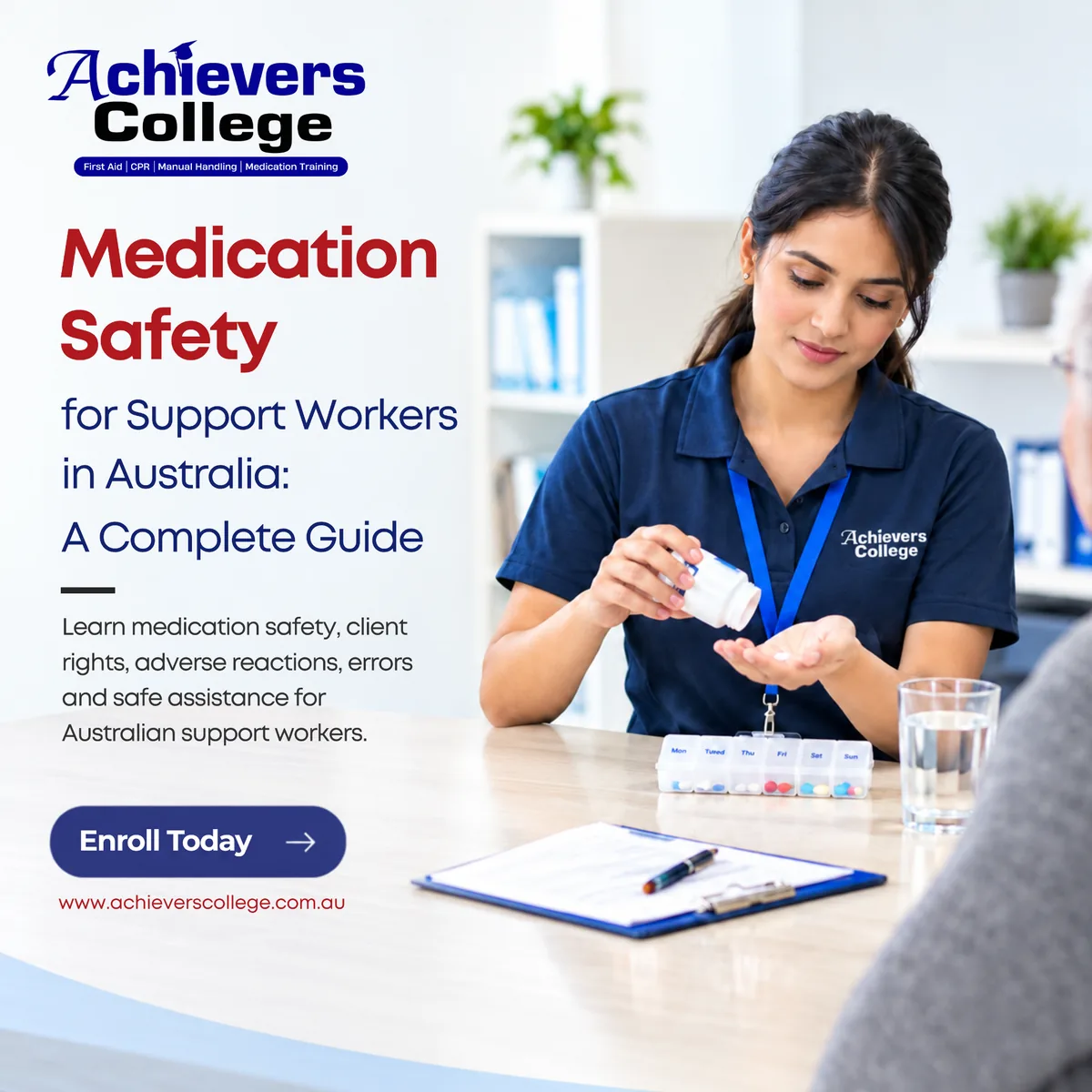
Learn medication safety practices for Australian support workers, including medication errors, client rights, adverse reactions and safe medication assistance.
To maintain medication safety in childcare, workers should:
 Confirm authorised instructions before giving medication.Check the child's details, medication, dose, and timing carefully.Store medicines securely according to workplace requirements.Record all medication provided to maintain accurate documentation.Monitor children for reactions and report concerns promptly.
Medication safety in aged care:
Follow individual medication plans and provide support only as authorised.Check the correct person, medication, dose, time, and route before assistance.Monitor for side effects, adverse reactions, or health changes.Document medication support accurately to prevent errors.Report medication concerns or incidents according to workplace procedures.Common signs may include:
Skin rashes, itching, or swelling.Breathing difficulties or severe discomfort.Dizziness, confusion, or unusual behaviour changes.Nausea, vomiting, or other unexpected symptoms. Emergency:
If a client refuses medication, workers should:
Respect the client's choice and never force medication.Ask if there is a reason for refusal and provide support where appropriate.Follow the medication plan and workplace procedures.Document the refusal accurately, including the time and reason if provided.Inform a supervisor or healthcare professional when required.| Right | What It Means |
|---|---|
| Right Person | Confirm the medication matches the correct participant. |
| Right Medication | Check the label against the medication plan. |
| Right Dose | Verify the exact amount prescribed. |
| Right Time | Administer at the scheduled time. |
| Right Route | Use the correct method, such as oral or topical. |
| Right Documentation | Record the administration immediately and accurately. |
| Right to Refuse | Respect the participant's right to decline medication. |
Steps to take after a medication error:
Check the client's condition and seek emergency help if needed.Report the error to a supervisor or healthcare professional immediately.Document the incident, including medication details and actions taken.Follow workplace reporting procedures.Review the cause to help prevent future errors.| Schedule | Category | Example Handling Requirement |
|---|---|---|
| Schedule 2 & 3 | Pharmacy and pharmacist-only medicines | Standard secure storage |
| Schedule 4 | Prescription-only medicines | Store as directed in the care plan |
| Schedule 8 | Controlled drugs | Locked safe, strict counts, and witnessed disposal |
Before every medication task:
Confirm the participant's identity before administering anything.Cross-check the medication, dose, and time against the current care plan.Document administration immediately, not later in the shift.Report any refusal, side effect, or missed dose straight away.Store and dispose of medication according to its schedule.Ask a supervisor or registered nurse whenever you're uncertain.Build medication competency with Achievers College's practical training
 Central Adelaide locations
 Daily sessions available
 Small class sizes (max 12)
 4.9/5 rating (250+ reviews)
Next session: Tomorrow 9:00 AM
3 spots remaining
Join thousands of Adelaide residents who've gained the confidence to act in emergencies. Our next session starts tomorrow with only 3 spots remaining.
Book Your Spot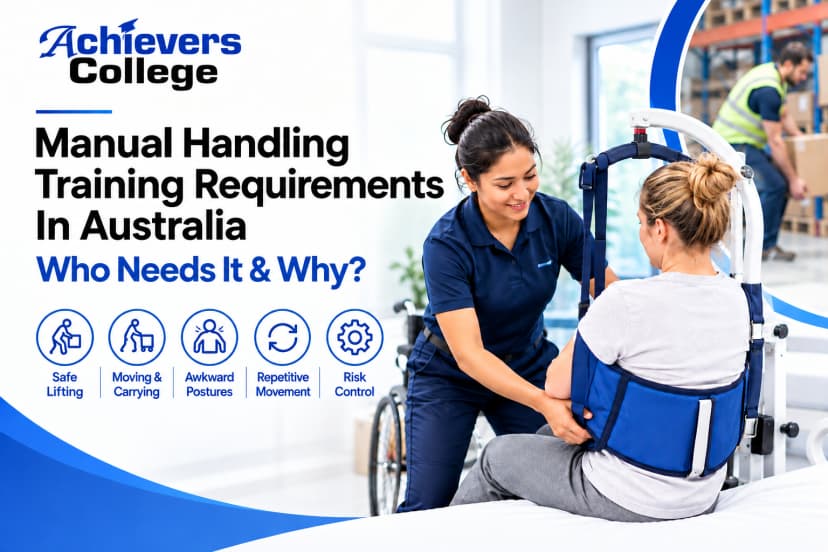
29 Sept 26
Need Manual Handling Training in Australia? Discover WHS requirements, who needs training, refresher guidance, and practical tips for support workers.
27 Sept 26
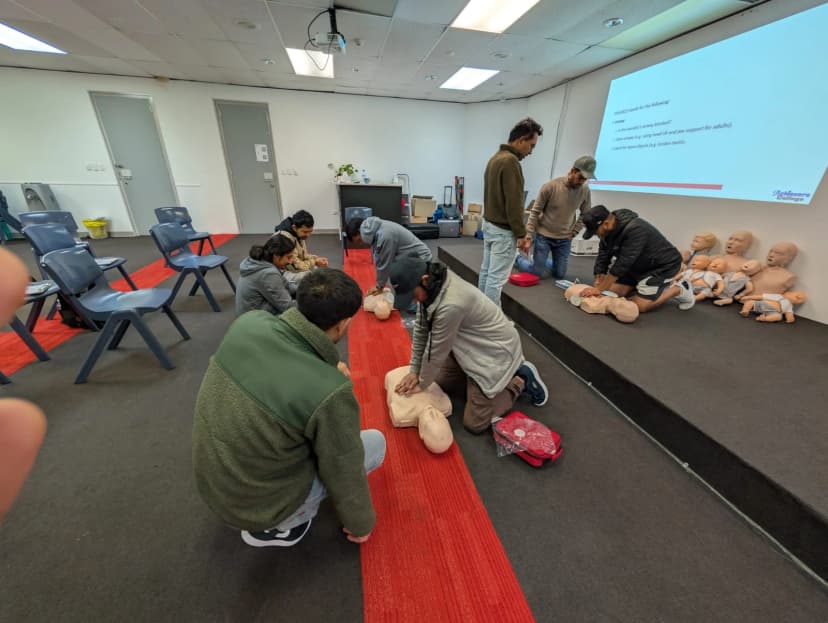
Do NDIS support workers need first aid? Learn provider requirements, CPR renewal, HLTAID011 and how NDIS training compares with aged care.
01 Sept 26
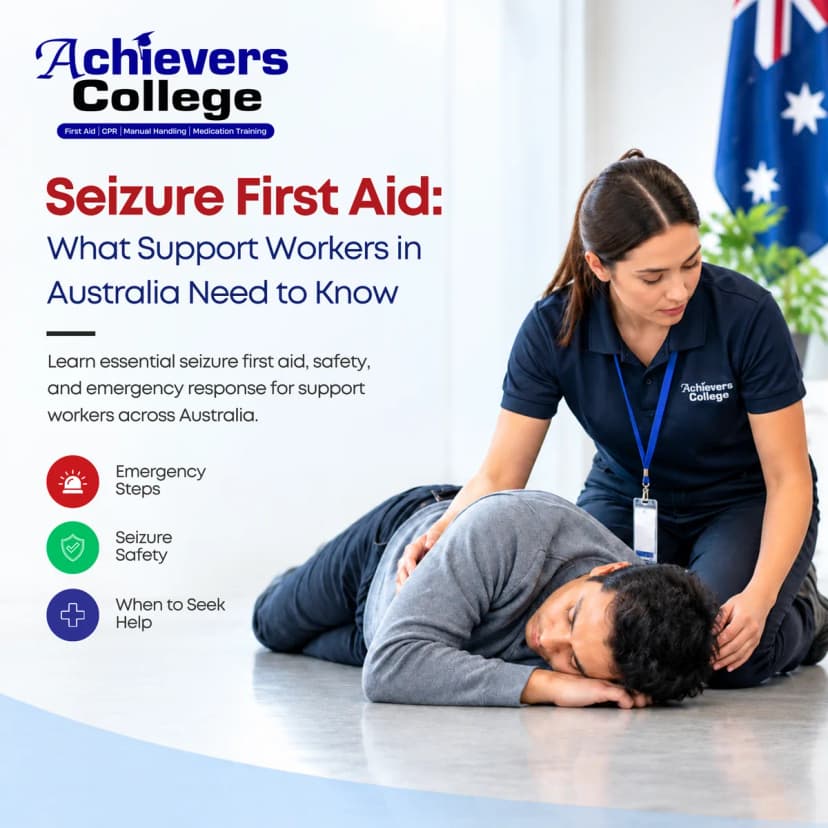
Learn essential seizure first aid for support workers, including emergency steps, seizure safety and when to seek help across Australia.