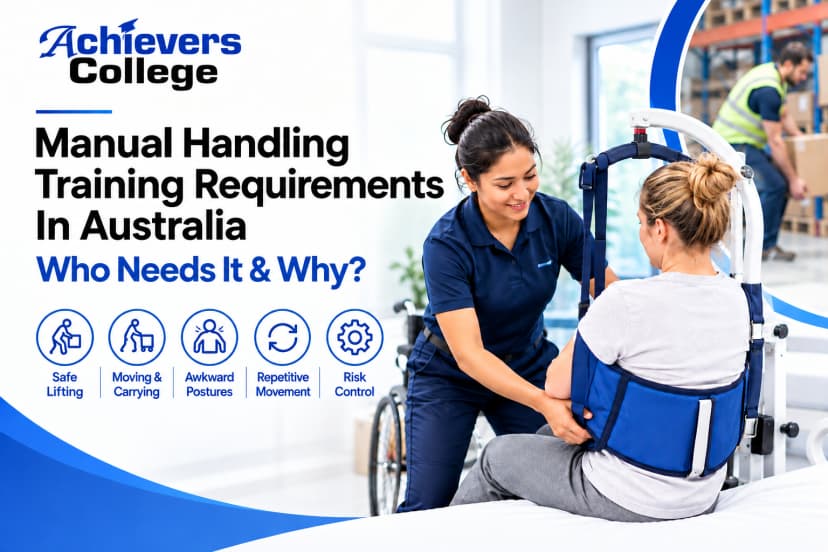
In this guide, we explain the common causes of manual handling injuries, what to do after an injury, how workplace reporting works in South Australia, and how appropriate
manual handling training can help prevent incidents.
What Are Manual Handling Injuries?
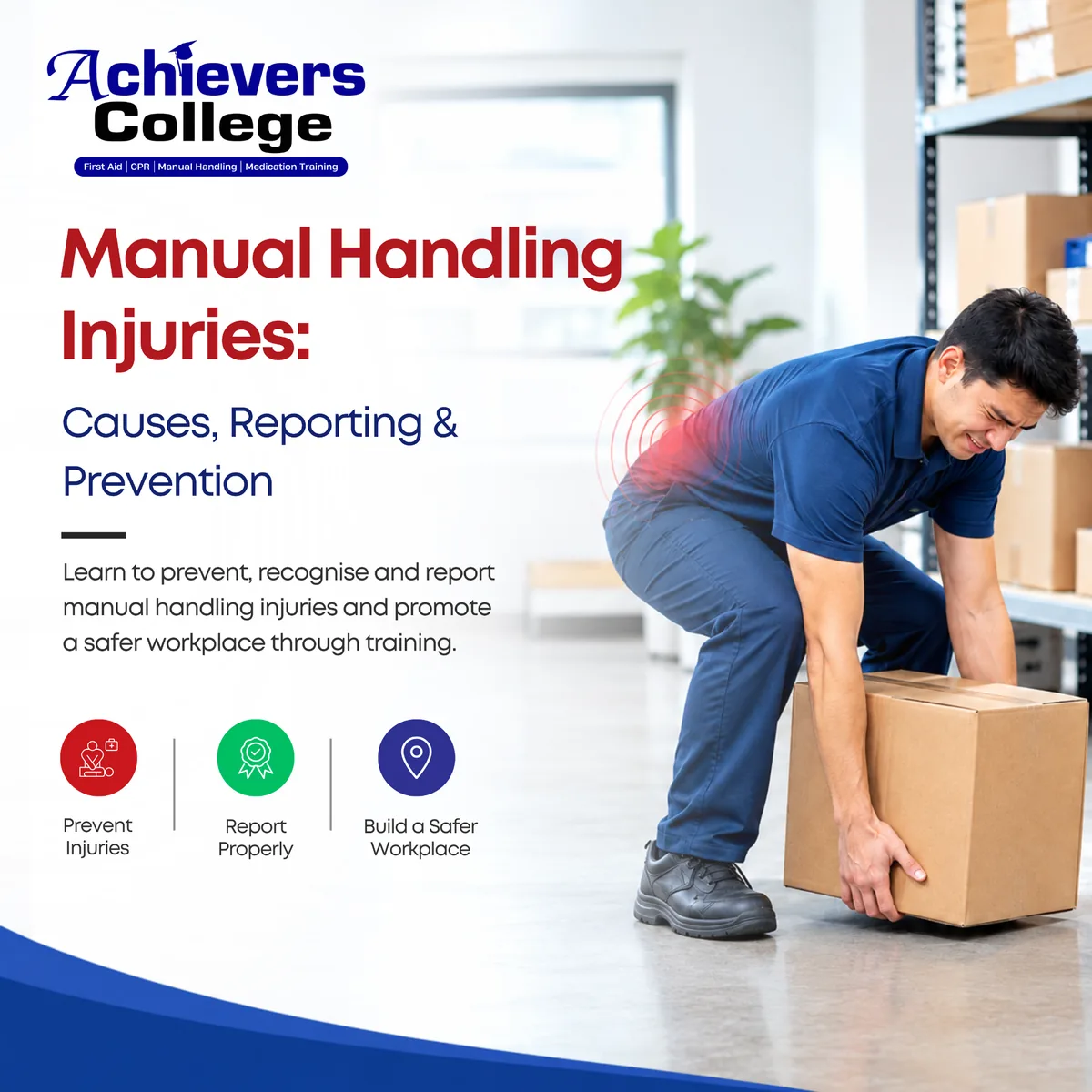
Manual handling injuries are physical injuries caused by lifting, carrying, pushing, pulling, moving or supporting objects or people at work. They commonly affect the back, shoulders, neck, muscles and joints and may develop suddenly or gradually through repetitive tasks.
Common
manual handling injuries include:
 Back strains and sprains
- Shoulder injuries
- Muscle strains
- Neck pain
- Joint injuries
- Repetitive strain injuries
- Soft-tissue injuries
Importantly, manual handling injuries are not always caused by one heavy lift. Repetitive movements, awkward postures, prolonged physical work and insufficient recovery can also contribute to injury.
What Causes Manual Handling Injuries at Work?
Manual handling injuries can have several causes. Often, the problem is not simply the weight of an object but the way the task is designed and performed.
Common risk factors include:
Lifting or carrying heavy objects
Lifting an object that is too heavy, difficult to grip or unstable can place excessive stress on the body.
Repetitive movements
Performing the same lifting, carrying, pushing or pulling task repeatedly can cause physical fatigue and increase the risk of injury.
Awkward postures
Twisting, bending, reaching or working in an uncomfortable position can increase strain on the back, shoulders and other muscles.
Sudden or unexpected movements
A load that shifts unexpectedly can cause a worker to lose balance or use sudden force, potentially resulting in an injury.
Poor workplace design
Limited space, unsuitable storage areas or poorly positioned equipment can make manual tasks more difficult and increase physical strain.
Lack of suitable equipment
Mechanical aids such as trolleys, lifting equipment or other handling devices can reduce the physical demands of some tasks. When suitable equipment is unavailable or not used correctly, injury risks may increase.
Insufficient training
Workers who have not received appropriate instruction may not understand the risks associated with particular manual tasks or how to use available controls and equipment safely.
For example, a
support worker who repeatedly assists clients without using appropriate techniques may place unnecessary strain on their back and shoulders.
Therefore, identifying these risks early is an important part of preventing workplace injuries.
How Can You Recognise a Manual Handling Injury?
A manual handling injury does not always cause immediate severe pain. Some symptoms may appear gradually after repeated physical activity.
Common warning signs include:
- Persistent muscle or joint pain
- Back or neck pain
- Swelling
- Stiffness
- Reduced movement
- Muscle weakness
- Numbness or tingling
- Difficulty performing normal work tasks
- Pain that becomes worse during a particular activity
If pain or other symptoms develop after a manual handling task, workers should report the injury through their workplace procedures and seek appropriate medical advice where necessary.
Early reporting is important because it allows the workplace to respond to the injury, investigate contributing factors and review existing safety controls.
SafeWork SA also advises workers to report hazards, near misses and injuries.
What Should You Do After a Manual Handling Injury?
If you are injured while performing a
manual task at work, take appropriate action as soon as possible.
1. Stop and assess the situation
If continuing the task could make your injury worse, stop the activity where it is safe to do so.
2. Tell your supervisor or employer
Report the injury according to your workplace's incident-reporting procedure. Even if the injury initially seems minor, reporting it can help your employer identify potential workplace hazards.
3. Complete an incident report
Your workplace may require you to record details such as:
- What happened
- When and where it happened
- The task you were performing
- Any equipment involved
- Your symptoms or injury
- Whether anyone witnessed the incident
4. Seek appropriate medical attention
If you are experiencing ongoing pain, significant symptoms or an injury that affects your ability to work, seek appropriate medical advice.
5. Follow your workplace's injury-management process
Your employer may have procedures for managing workplace injuries, including suitable duties and return-to-work arrangements where appropriate.
How to Report a Workplace Injury in South Australia?
- Report the injury: Tell your supervisor or employer as soon as possible and follow your workplace's reporting procedure.
- Understand the difference: Internal injury reporting, workers' compensation and WHS incident notification are separate processes.
- Check if it is notifiable: Not every manual handling injury is a notifiable incident. Serious injuries, illnesses and dangerous incidents may have specific notification requirements.
- Follow SA requirements: Employers should understand their WHS and workers' compensation responsibilities and seek appropriate advice when required.
- Use current guidance: For the latest South Australian requirements, refer to the relevant workplace safety and workers' compensation authorities.
Note:
This article provides general information and is not a substitute for legal, medical or workers' compensation advice.
How to Prevent Manual Handling Injuries?
Preventing manual handling injuries starts with identifying the hazards associated with a task and considering ways to remove or reduce those risks.
Depending on the workplace, useful controls may include:
- Redesigning the task
- Reducing the weight of loads
- Using mechanical lifting or handling equipment
- Improving storage arrangements
- Reducing repetitive movements
- Providing appropriate workspaces
- Using team lifting where suitable
- Improving work procedures
- Providing appropriate worker training
- Reviewing tasks regularly
Importantly, training should not be considered the only solution. Workplace design, equipment and other risk controls can also play an important role in reducing hazardous manual task risks.
How Does Manual Handling Training Help?
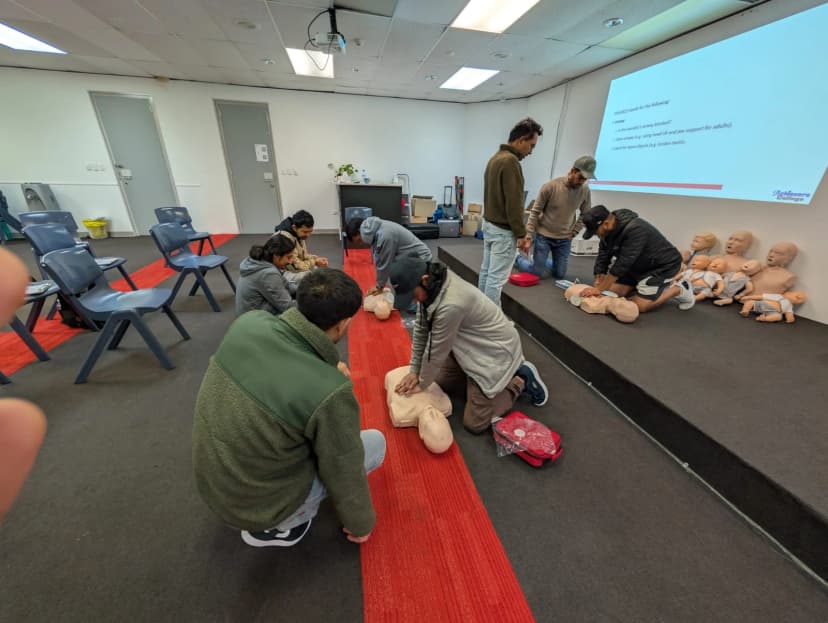
Proper training helps workers understand the risks associated with manual tasks and how those risks can be managed in their particular workplace.
A suitable training program can help participants understand:
- Common manual handling hazards
- Risk factors associated with hazardous manual tasks
- Safe work practices
- Correct use of handling equipment
- Workplace-specific procedures
- How to identify potential hazards
- Ways to reduce unnecessary physical strain
- The importance of reporting hazards and injuries
For workplaces where workers regularly perform manual tasks, appropriate training can support safer work practices and help employees recognise risks before an incident occurs.
Why Manual Handling Training Matters for Adelaide Workplaces
Manual tasks are common across many Adelaide industries, including:
- Aged care
- Disability support
- Healthcare
- Community services
- Construction
- Warehousing
- Hospitality
- Retail
- Manufacturing
The risks can vary significantly between industries.
For example, a
disability support worker may regularly assist with moving or supporting clients, while a warehouse worker may lift, carry or move goods throughout the day.
For this reason, training should be relevant to the tasks workers actually perform rather than relying on a one-size-fits-all approach.
Conclusion
Manual handling injuries can be reduced by identifying hazards, improving workplace controls and using safer work practices. Appropriate
manual handling training can also help workers recognise risks and perform tasks more safely across Adelaide and South Australia.
If your workplace involves regular lifting, carrying, pushing, pulling or moving people and loads,
HLTWHS005 Conduct Manual Tasks Safely provides practical skills to identify risks and perform manual tasks safely.
Ready to improve workplace manual handling safety? Explore HLTWHS005 Conduct Manual Tasks Safely with
Achievers College and build practical skills for safer manual tasks.

 Central Adelaide locations
 Daily sessions available
 Small class sizes (max 12)
 4.9/5 rating (250+ reviews)