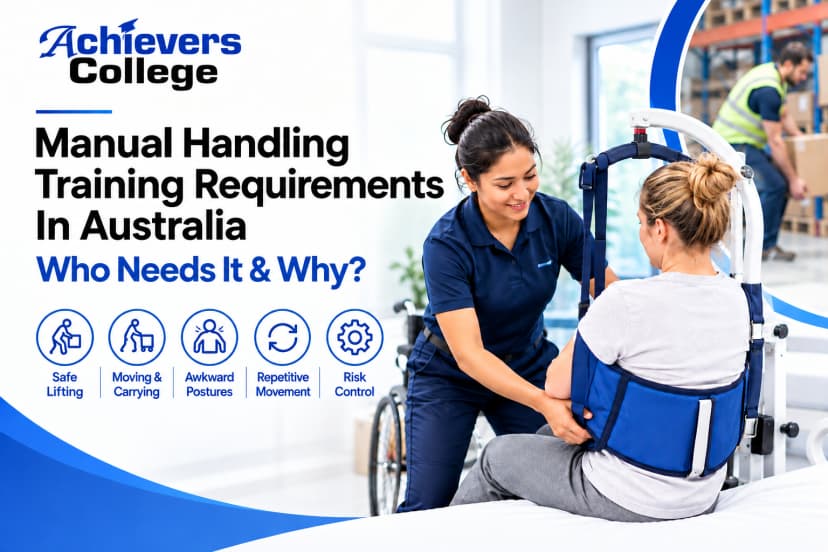
In addition, manual handling injuries come at the price of millions of dollars to businesses annually in compensation claims, lost productivity and employee turnover. Fortunately, correct manual handling training can help mitigate these risks and keep workers safe for a lifetime.
What Is Manual Handling Training?
Manual handling training is designed to educate workers on how to safely manage their working lives when they are required to use force on the body through physical work, such as lifting, lowering, holding, pushing, pulling, carrying or restraining objects, people or animals. In addition to correct lift technique, participants learn to evaluate the safety of a job before it is done, how to use equipment to minimise physical stress, and how to report unsafe conditions to a supervisor.
This training is recognised nationally and is part of the unit
HLTWHS005 Conduct Manual Tasks Safely. More specifically, this unit will provide workers with the knowledge and hands-on skills to recognise hazards associated with manual tasks, apply risk control measures and undertake physical tasks in a manner to ensure their long term health.
Who Needs Manual Handling Training in Adelaide?
Many people assume manual handling training only applies to trade workers or warehouse staff. In reality, the scope of workers who benefit from - and in many cases must complete - this training is far broader. Here are the industries where manual handling training in Adelaide is either legally required or strongly recommended:
Aged Care and Disability Services
Aged care and disability support workers regularly assist clients with transfers, repositioning, and mobility. As a result, they face one of the highest rates of manual handling injuries across all industries in South Australia. Training helps these workers move clients safely using correct body mechanics and appropriate lifting aids - protecting both the worker and the person in their care.
Healthcare and Allied Health
Nurses, physiotherapists, hospital orderlies, and community health workers all perform physical tasks that place strain on the spine and joints. Moreover, healthcare settings involve unpredictable loads - a patient who loses balance, for example - which makes foundational training especially critical.
Childcare and Education
Childcare staff lift, move and carry equipment and arrange physical learning environments for young children regularly.
Likewise, students who have mobility issues receive support throughout the day from school support staff. Training for manual handling helps these workers to know that they need to use the correct technique and when to call for help instead of continuing with something too uncomfortable to do.
Warehousing and Logistics
Heavy lifting and moving and working in fast-paced environments are common occurrences for workers in Adelaide's industrial areas, and not just in the city's most productive hubs but near the freight corridors in the south and the city's outer parts, in Wingfield, Regency Park and beyond.
Manual handling training will therefore help to minimise the risk of MSDs from repetitive movements and poor technique under stress.
Construction and Trades
Construction workers need to move around on uneven surfaces while working all day with tools, materials and equipment. They also frequently perform tasks in positions where their spine has to cope with extra weight - bending, reaching above their body and crouching.
These workers need the practical skills that manual handling training provides and can be taught to lessen the strain, even in the most physically challenging conditions.
Corporate and Office Environments
Manual handling is not limited to heavy industry. Office workers who incorrectly lift printer boxes, move furniture during office setups, or handle document archives face genuine injury risk. Therefore, all workers - regardless of industry - benefit from at least a foundational understanding of safe manual task principles.
What Does HLTWHS005 Cover?
HLTWHS005 - Conduct Manual Tasks Safely includes theoretical knowledge and practical skills at Achievers College. The modules and the content covered in the training are clearly described:
Course modules

1. Understanding Manual Task Hazards Participants learn about the type of tasks and conditions in the workplace that can be a cause of injury, such as repetitive movements, awkward postures, excessive force and poorly designed workspaces.
2. Principles Of Risk Assessment Workers learn how to undertake a risk assessment prior to doing the manual task. This includes assessing the load weight and shape, distance of carry, space available and worker condition.
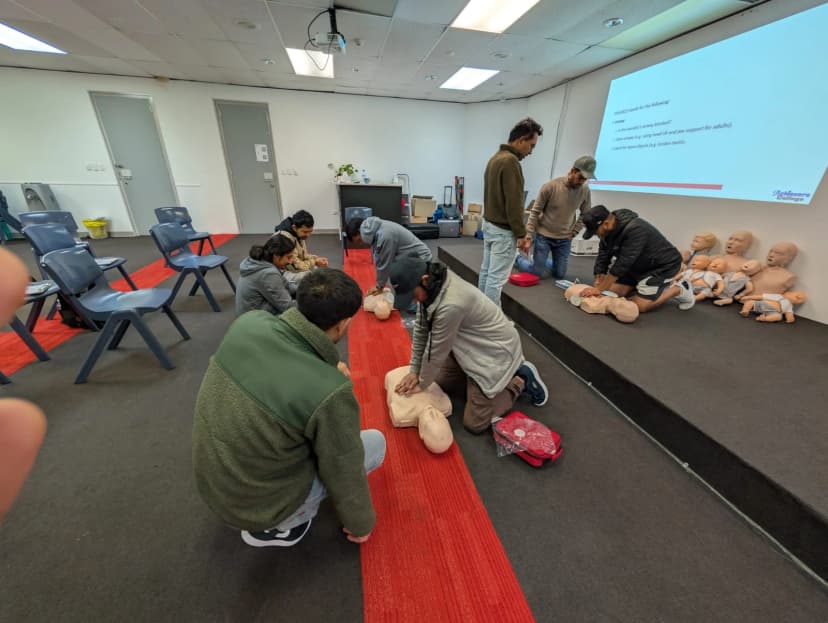
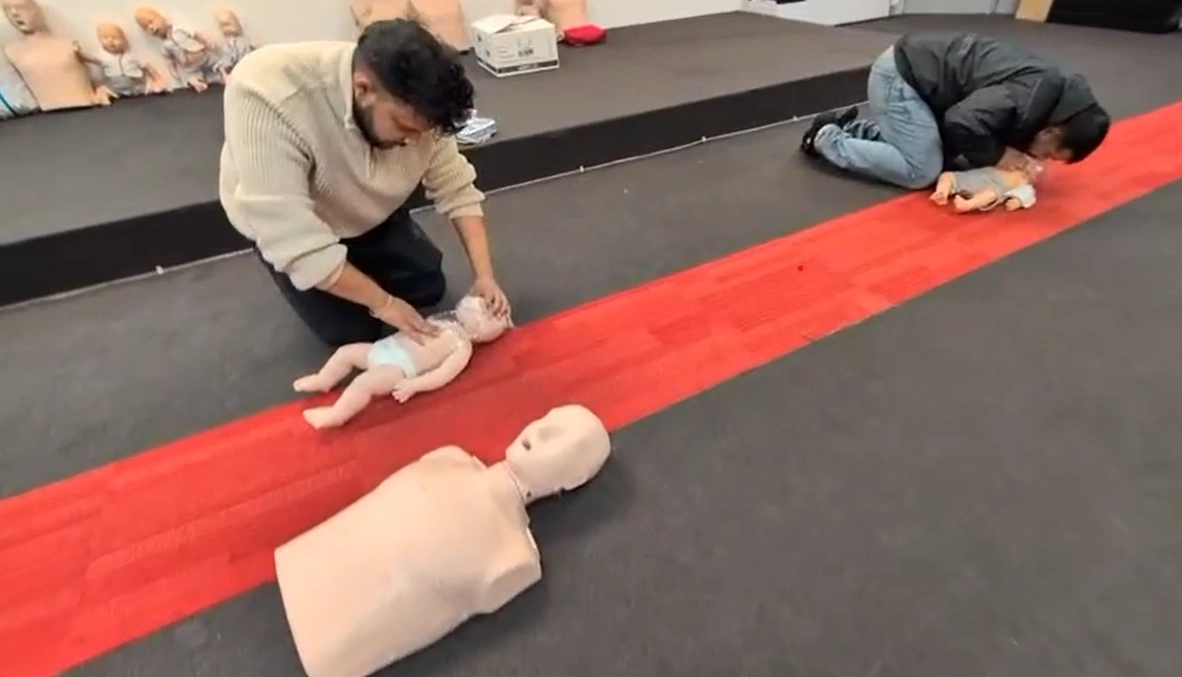
3. Applying Correct Lifting and Movement Techniques The training covers correct lifting and movement techniques, including lifting from the floor, carrying loads over distance, lowering loads safely and moving people within the care setting. Importantly, participants learn these techniques in a simulated classroom setting instead of reading about them.
4. Use of Equipment and Mechanical Aids Participants learn when to use trolleys, hoists, slide sheets and mechanical aids to reduce the strain. They also are taught to inspect equipment for safety prior to use.
5. Reporting and Communication The final topic of the course is a worker's responsibility to report hazards, engage in workplace safety discussions and communicate concerns with the supervisor before injury happens.
HLTWHS005 is delivered in a blended learning model at Achievers College's training centre in Plympton Park, Marion Road, which involves a face-to-face 4-hour classroom session and online pre-course learning (4-5 hours). All training materials, equipment and WIFI are supplied on the day.
When Is a Manual Handling Refresher Required?
Completing the full HLTWHS005 course establishes your foundational qualification. However, manual handling skills deteriorate over time - especially when workers change roles, move to a new industry, or simply fall back into old habits under the pressure of a busy shift.
Most employers across South Australia recommend workers complete a Manual Handling Refresher every two to three years. Additionally, a refresher becomes necessary when:
The
Manual Handling Refresher at Achievers College runs for approximately 1.5 hours and costs just $55 - making it one of the most cost-effective ways for Adelaide workers to maintain their workplace safety currency. The short format fits neatly into a working day without requiring extended time away from the job.
SA Workplace Obligations Under WHS Law
There is a nationally harmonised
WHS framework in South Australia, with that framework being implemented in South Australia through the Work Health and Safety Act 2012 (SA). Employers have a primary duty of care under this legislation to ensure (as far as reasonably practicable) that workers are not exposed to risk to their health and safety when performing manual work.
In particular, employers have a duty to:
For workers, the Act requires active participation in safety measures and compliance with safe work instructions. Consequently, completing accredited manual handling training through a registered training organisation (RTO) like Achievers College directly supports both employer and worker compliance with WHS obligations in South Australia.
Conclusion
Manual handling training is an essential element in safer workplaces, implementation and adherence to the WHS regulations and in minimising workplace injuries. The skills in the manual handling techniques that can help to ensure the safety of workers and workplaces are relevant across all health, aged care, warehousing, construction and office environments.
At
Achievers College, our accredited Manual Handling Training helps you build workplace safety skills and confidence. Enrol today and create a safer workplace.


 Central Adelaide locations
 Daily sessions available
 Small class sizes (max 12)
 4.9/5 rating (250+ reviews)